
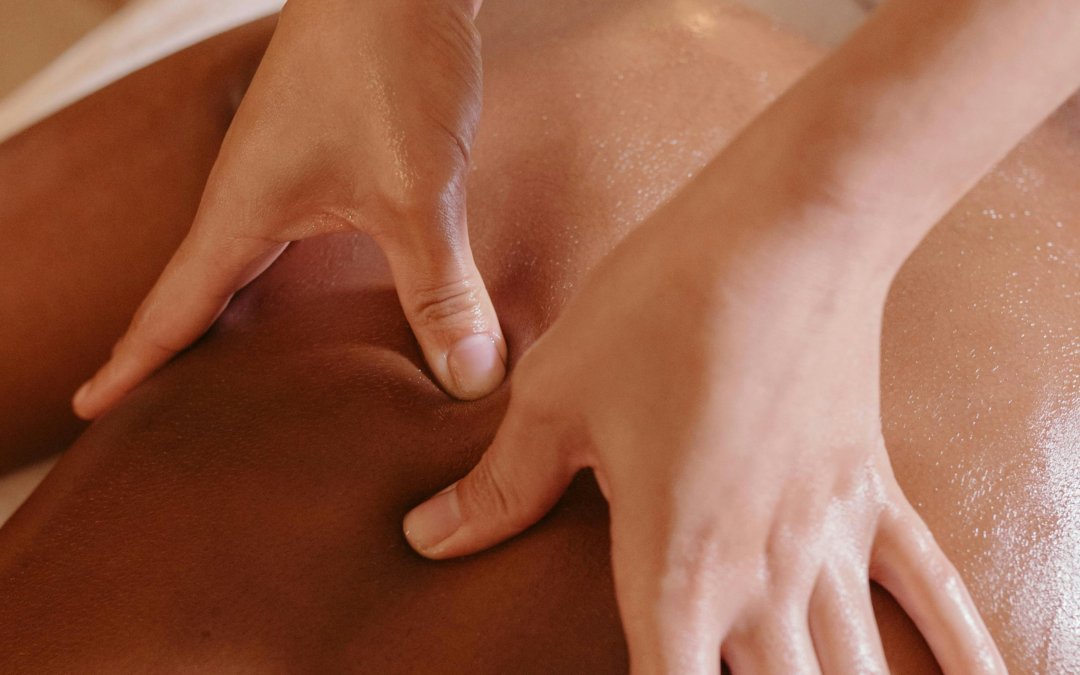
A Swedish massage is a classic massage style that uses smooth, flowing strokes and gentle-to-moderate pressure to relax the body, ease everyday muscle tension, and support an overall sense of calm. It’s best known for being soothing rather than intense, making it one of the most popular options for stress relief and full-body relaxation.
Swedish massage is often what people picture when they hear the word “massage.” It’s not focused on “digging deep” into stubborn knots the way deep tissue can be. Instead, it works more broadly across the muscles to encourage relaxation, help the body feel less guarded, and improve overall comfort.
What Swedish massage means (in simple terms)
Swedish massage is considered a foundational Western massage method. The goal is to help the body shift out of stress mode and into a calmer state while also easing muscle tightness that builds up from daily life—work posture, long commutes, busy schedules, and general tension.
It can be done as a full-body session or customized to focus more time on common tension areas like the neck, shoulders, back, hips, or legs. The key characteristic is the style of touch: rhythmic, steady, and designed to relax rather than push your limits.
The main techniques used in Swedish massage
Swedish massage is built around a few core techniques. You don’t need to memorize the names, but understanding them helps you know what “counts” as Swedish and why it feels the way it does.
Long, gliding strokes (effleurage): These are the smooth strokes that warm up the muscles and help you settle. They’re often used at the beginning and end of a session to create a calming flow.
Kneading and rolling (petrissage): This is where the therapist gently lifts and squeezes muscle tissue—similar to kneading dough, but more subtle. It helps soften areas that feel dense or “stuck.”
Friction: Small, focused movements that can be used over tighter spots to encourage softening without going as deep as a deep tissue approach.
Tapping or rhythmic percussion (tapotement): Used occasionally and lightly, this can create a stimulating effect—though many sessions skip it if the goal is deep relaxation.
Gentle movement or stretching: Sometimes included to support mobility and help the body feel more open.
Swedish massage can be very light and calming, or moderately firm while still feeling relaxing. The defining feature is that it stays comfortable and rhythmic—more “melt” than “workout.”
What Swedish massage is best for
Swedish massage is a strong choice when your main goal is to feel better overall—less tense, more settled, and more comfortable in your body.
It’s commonly chosen for:
- stress and nervous-system overload
- general muscle tightness from daily posture and routine
- full-body relaxation and improved sleep quality (without guaranteeing results)
- people new to massage who want a supportive first experience
- Anyone who dislikes intense pressure but still wants meaningful relief
Benefits of Swedish massage (what people typically notice)
Because Swedish massage emphasizes relaxation and circulation support, people often report benefits that feel whole-body, not just “one tight spot got better.”
Commonly reported benefits include:
- reduced feelings of stress and physical tension
- a calmer, more regulated body state
- easier breathing and less “holding” in the shoulders/neck
- improved sense of mobility and comfort
- feeling more rested, grounded, and clear-headed
Important note for clean, compliant content: these are common experiences, not guarantees, and Swedish massage isn’t a medical treatment.
Swedish massage vs. deep tissue massage
This is the comparison most people want, and it’s simple:
Swedish massage focuses on relaxation and general tension relief using flowing strokes and comfortable pressure.
Deep tissue massage focuses on slower, more targeted pressure that aims at deeper muscle layers and persistent tightness patterns. It can be very effective, but it’s often more intense and may leave you feeling tender afterward.
If you want calm, comfort, and full-body ease, Swedish is usually the better match. If you want targeted work for stubborn areas and you tolerate deeper pressure well, deep tissue may fit—though many people benefit from starting with Swedish first, so the body softens and stops bracing.
Is Swedish massage “just relaxing,” or can it help with tight muscles?
It can absolutely help with tight muscles—just in a different way than deep tissue.
A lot of tension is protective. When stress is high, the nervous system keeps muscles slightly “on,” especially in the neck, shoulders, jaw, back, and hips. Swedish massage helps the body feel safe enough to let go, which can reduce that baseline tightness. For many people, that’s exactly what they need.
If you have one or two specific areas that feel stubborn, Swedish can still help—especially when the session includes a bit of focused friction and kneading in those spots—without turning the whole massage into intense deep work.
How long is a Swedish massage, and what pressure is used?
Swedish massage is commonly booked in 60- or 90-minute sessions. Pressure is usually light to moderate, but it should be personalized. The best Swedish massage is one where you can breathe easily, and your body feels like it’s unwinding—not tolerating discomfort.
If you’re unsure what pressure to choose, “relaxing but effective” is a helpful way to describe it.